

Latest Construction Updates You Should Know
If you’re like me, keeping up with the latest construction updates can feel like trying to catch a moving train. The industry is evolving fast, and whether you’re just starting out or already knee-deep in projects, staying informed is key to success. Today, I want to walk you through some of the most important trends and news shaping the construction world right now. Trust me, this isn’t just about dry facts — it’s about giving you practical insights that can help you pass your licensing exams and build a thriving career in Florida’s construction scene.
What’s Driving Change in Construction Today?
You might wonder, what’s really shaking up the construction industry these days? Well, several factors are at play and understanding them can give you a leg up.
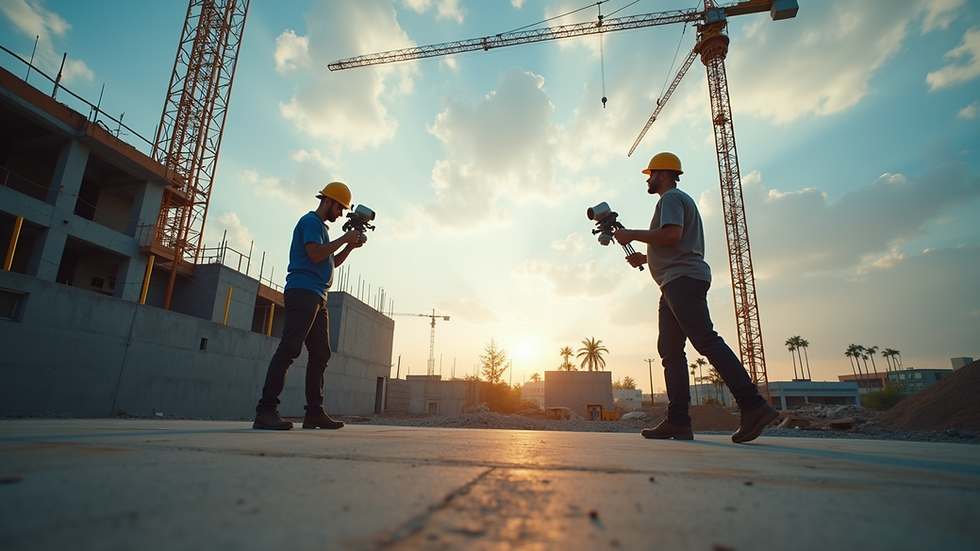
Technology Integration: From drones surveying sites to AI-powered project management tools, technology is transforming how we work. Imagine cutting down inspection times by half or spotting potential issues before they become costly mistakes.
Sustainability Focus: Green building isn’t just a buzzword anymore. Florida’s climate and regulations are pushing contractors to adopt eco-friendly materials and energy-efficient designs.
Labor Shortages: Skilled labor is in high demand but short supply. This means opportunities for those who invest in training and certification.
Regulatory Changes: New safety standards and licensing requirements are constantly updated. Staying on top of these can save you headaches and fines.
By keeping an eye on these drivers, you can anticipate shifts and position yourself as a knowledgeable professional.
Latest Construction Updates You Shouldn’t Miss
Let’s dive into some specific updates that are making waves right now. These are the kind of details that can help you answer tricky exam questions or impress clients with your up-to-date knowledge.
1. Florida’s New Licensing Exam Format
If you’re preparing for your contractor’s license in Florida, listen up. The state recently updated its exam format to include more scenario-based questions. This means you’ll need to apply your knowledge practically, not just memorize facts. Here’s what you can do:
Practice with real-world case studies.
Focus on understanding building codes and safety regulations.
Use online simulators that mimic the new exam style.
2. Increased Use of Modular Construction
Modular construction is gaining traction in Florida due to its speed and cost-effectiveness. Prefabricated sections are built off-site and assembled quickly on location. This method reduces waste and weather delays — a big plus in Florida’s unpredictable climate.
If you’re involved in project planning or management, consider learning more about modular techniques. It’s a skill that’s becoming highly sought after.
3. Emphasis on Hurricane-Resistant Building
Given Florida’s vulnerability to hurricanes, new building codes emphasize stronger materials and designs that can withstand high winds and flooding. This includes:
Impact-resistant windows and doors.
Elevated foundations.
Reinforced roofing systems.
Knowing these requirements inside and out will not only help you pass your exam but also build safer, more resilient structures.

How to Stay Ahead with Construction Industry News
You might be asking, “Where do I find reliable construction industry news that won’t overwhelm me?” Here’s my advice:
Subscribe to Industry Newsletters: Pick a couple of trusted sources that send weekly updates. This keeps you informed without spending hours searching.
Join Local Trade Associations: Florida-based groups often share region-specific news and host workshops.
Follow Regulatory Agencies: The Florida Department of Business and Professional Regulation (DBPR) posts updates on licensing and safety rules.
Engage in Online Forums: Platforms like LinkedIn groups or specialized construction forums can offer real-time insights and peer advice.
By integrating these habits into your routine, you’ll always be in the know and ready to adapt.
Practical Tips for Passing Your Florida Contractor’s Exam
Passing the licensing exam is a major milestone. Here are some tips that worked for me and many others:
Understand the Exam Structure: Know the number of questions, time limits, and topics covered.
Use Official Study Guides: Florida’s DBPR provides resources tailored to the exam.
Take Practice Tests: Simulate exam conditions to build confidence.
Focus on Weak Areas: Identify topics you struggle with and spend extra time reviewing them.
Join a Study Group: Explaining concepts to others helps reinforce your knowledge.
Remember, the goal is not just to pass but to truly understand the material so you can apply it on the job.
Building a Successful Career Beyond the Exam
Once you’ve passed your exam, the journey is just beginning. Here’s how to keep growing:
Keep Learning: Construction techniques and regulations evolve. Commit to ongoing education.
Network Actively: Relationships with suppliers, subcontractors, and clients can open doors.
Embrace Technology: Stay comfortable with new tools that improve efficiency.
Prioritize Safety: A strong safety record builds trust and reduces costs.
Seek Mentorship: Experienced professionals can offer guidance and support.
By focusing on these areas, you’ll not only survive but thrive in Florida’s competitive construction market.
If you want to stay updated with the most relevant construction industry news and trends, make it a habit to check trusted sources regularly. It’s a small effort that pays off big in your career.
I hope these insights help you feel more confident and prepared as you navigate the exciting world of construction. Remember, every expert was once a beginner who kept learning and adapting. Now, go out there and build something great!



Comments